Farm Animal Strategic Team, Vegan Hacktivists
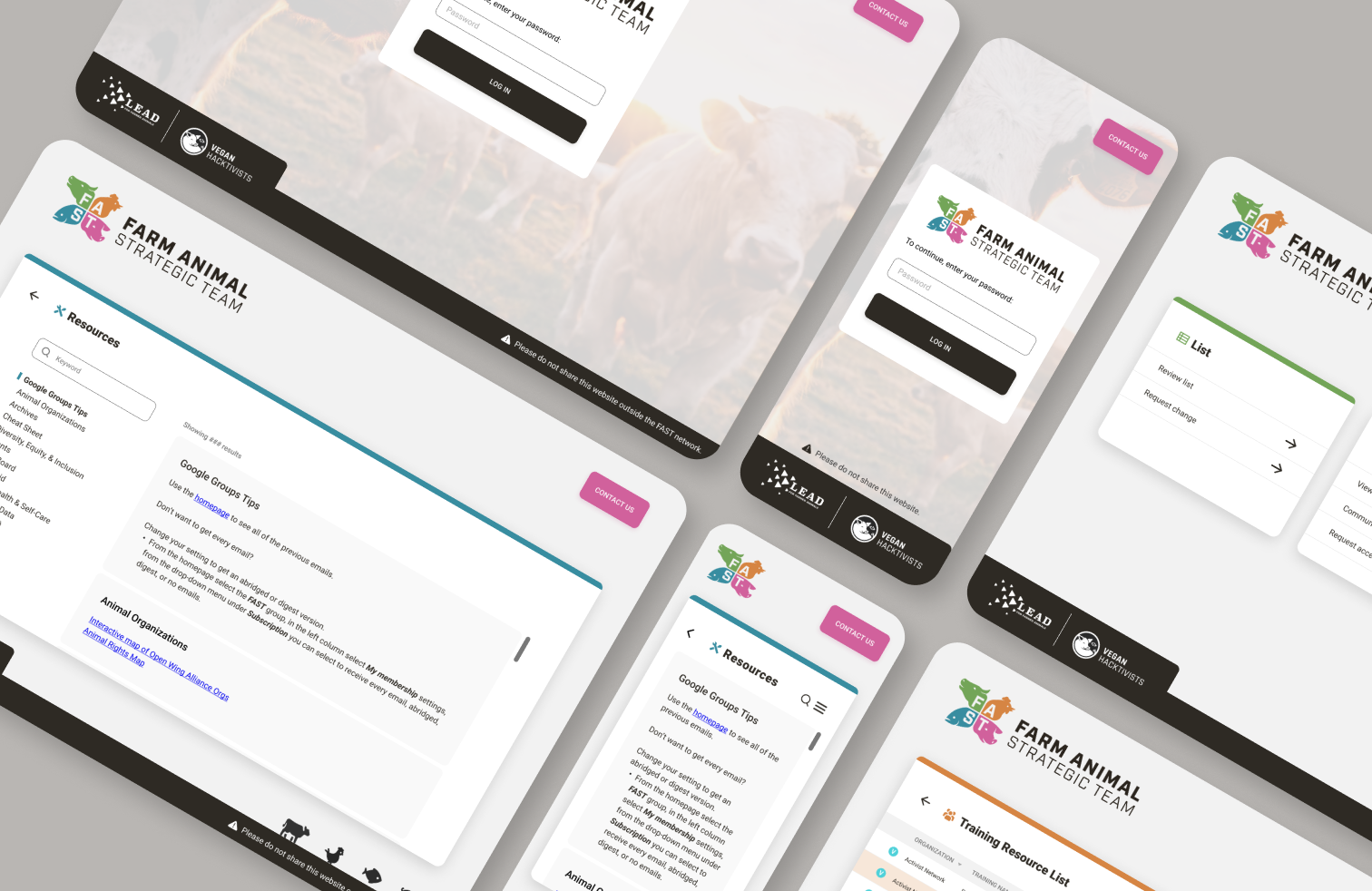
Making advocacy resources easier to discover and access
The Farmed Animal Strategic Team (FAST) is a global network of animal advocates, researchers, and organizations working to accelerate progress for farmed animals.
The team needed a more accessible way for community members to understand their work, discover resources, and connect with relevant initiatives.
I partnered with Vegan Hacktivists to redesign FAST’s website experience, focusing on clearer navigation, mobile accessibility, and helping users quickly find the information they needed.
Role: UX/UI Designer
Team: Designers, developers, product manager
Timeline: 1 month
The ChallengeHelping users navigate a complex ecosystem of information
FAST supports a diverse community with different goals:
New advocates learning about the organization
Existing members looking for resources
Researchers and organizations exploring collaboration opportunities
The existing website contained valuable information, but users needed a clearer path to understand:
What FAST does
Who the community serves
Where to find relevant resources
How to get involved
Challenge:How might we make a complex advocacy ecosystem easier for people to understand and navigate?
Research and DiscoveryUnderstanding user needs and information gaps
I reviewed the existing website structure, content hierarchy, and user goals to identify opportunities for improvement. Key observations:
Users needed faster answers to basic questions
What is FAST?
Is this resource relevant to me?
Where should I start?
Information was difficult to scan
Important resources were buried within dense content
Navigation did not clearly support different user goals
Mobile usability was important
Many users access advocacy resources while sharing information, attending events, or collaborating remotely.
Design GoalsBased on the findings, I focused on:
1. Improve discoverability
Help users quickly understand FAST’s purpose and find relevant resources.
2. Create clearer navigation
Organize information around user needs rather than internal organizational structure.
3. Design for accessibility
Ensure the experience worked across devices and supported a broader audience.
Information ArchitectureReorganizing content around user goals
Before:
Organization-focused structure
Users needed to understand FAST before finding resources
About → Projects → Resources → Community
After:
User-focused pathways
Clear entry points based on what users wanted to accomplish
Learn → Explore Resources → Join the Community → Get Involved
Mobile-First DesignMaking advocacy resources easier to access anywhere
Because many users engage with nonprofit resources outside of a desktop environment, I prioritized responsive layouts and mobile usability.
Design considerations:
Simplified navigation
Scannable content sections
Clear hierarchy
Accessible interactions
Flexible layouts across screen sizes
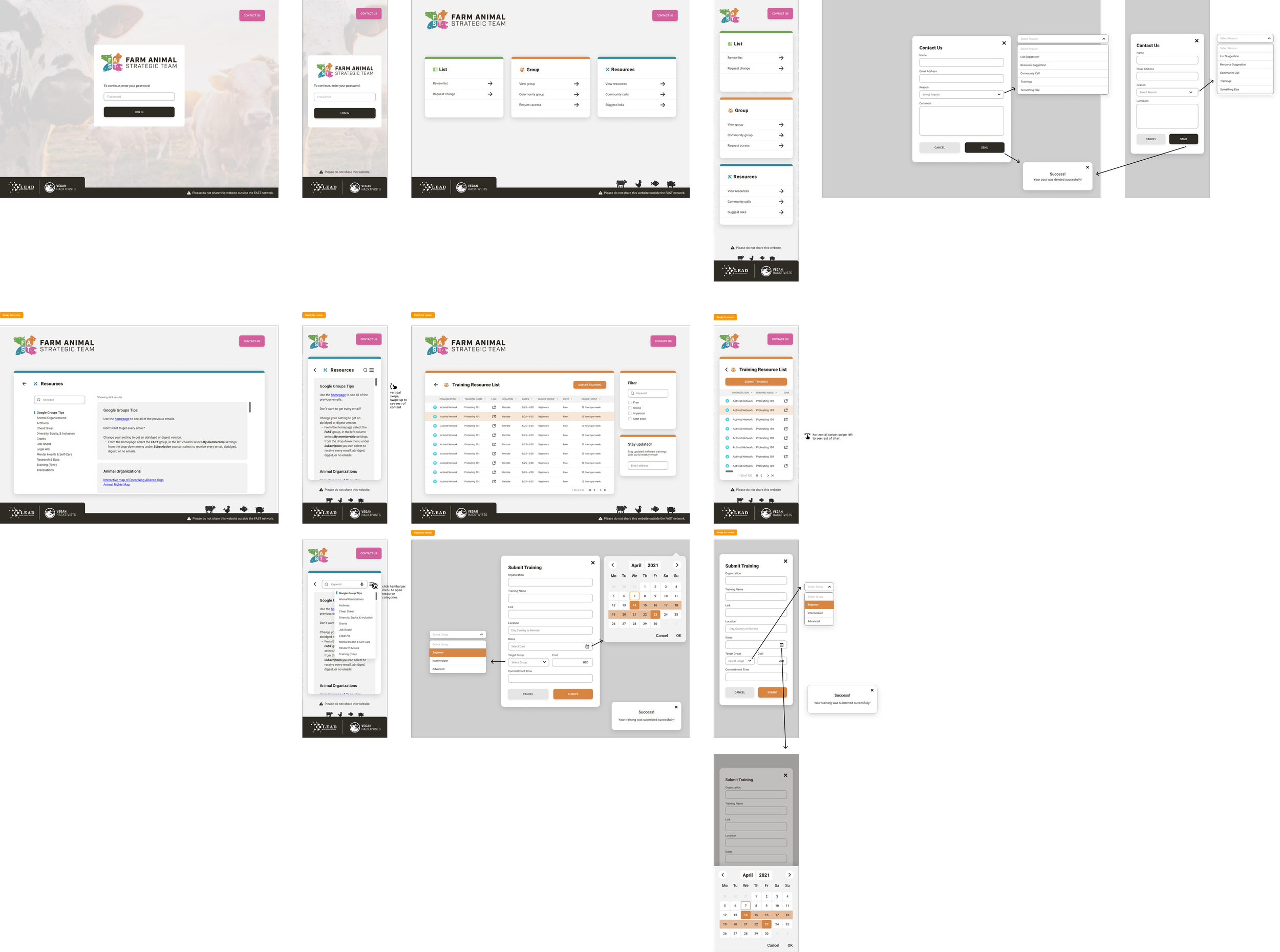
Final DesignA clearer path from discovery to action
The redesigned experience helped users:
Understand FAST’s mission faster
Find relevant resources more easily
Navigate content across devices
Take meaningful next steps within the community
Collaboration and DevelopmentDesigning within an open-source environment
I collaborated with developers and stakeholders to ensure designs were practical to build and aligned with technical constraints.
My process included:
Creating design specifications
Reviewing implementation details
Iterating based on developer feedback
Ensuring responsive behavior matched the intended experience
ReflectionDesigning for communities with shared goals
This project reinforced the importance of designing information-rich experiences around user needs rather than organizational structure.
For mission-driven organizations, the challenge is often helping people find the right information at the right moment.